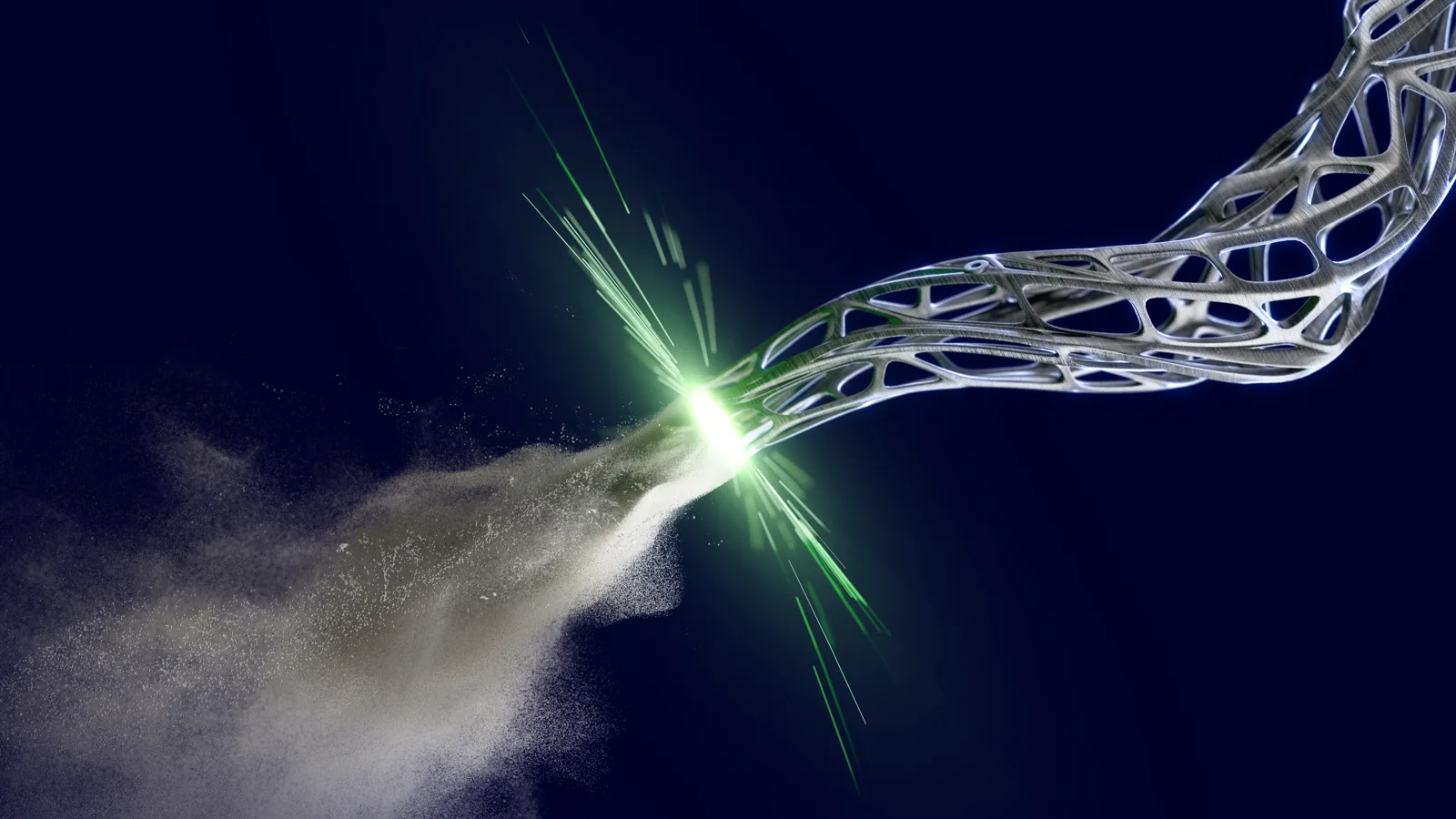
Additive manufacturing is no longer a prototyping tool
Printed parts now ship as end-use components in aerospace, medical devices, industrial machinery and consumer products. The reasons are practical: lighter parts, several components merged into one, spare parts for obsolete equipment printed on demand, and jigs or fixtures made overnight instead of ordered in weeks.
What changes for the design team is the geometry. Lattices, organic load paths and internal channels cannot be drawn with the usual sketch and extrude workflow. NX brings the tools for this kind of design into the same system used for everyday CAD, so the model stays connected from concept to simulation to print preparation. Below are five jobs engineers use it for, with the results they reported.
1. Lattice structures for implants
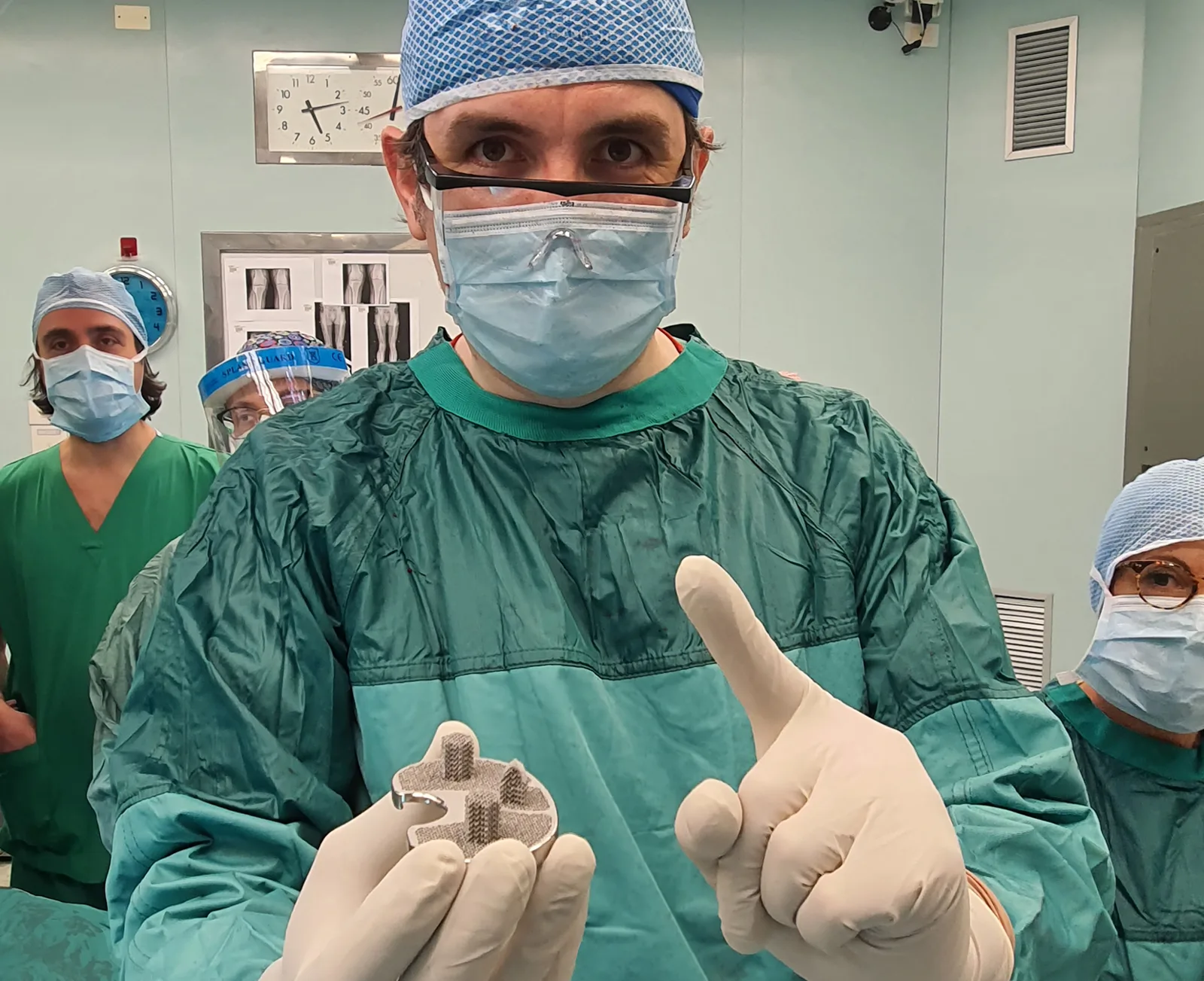
A medical device maker wanted a cementless knee implant: a titanium part with a trabecular lattice surface that bone can grow into. The team built the custom lattice as a native NX feature, ran topology optimisation inside the same model, and passed the result straight to production through Teamcenter.
What they reported: topology-optimised designs generated in a single operation, design and print preparation time cut in half, and no data errors between design and manufacturing.
2. Conformal cooling channels in moulds
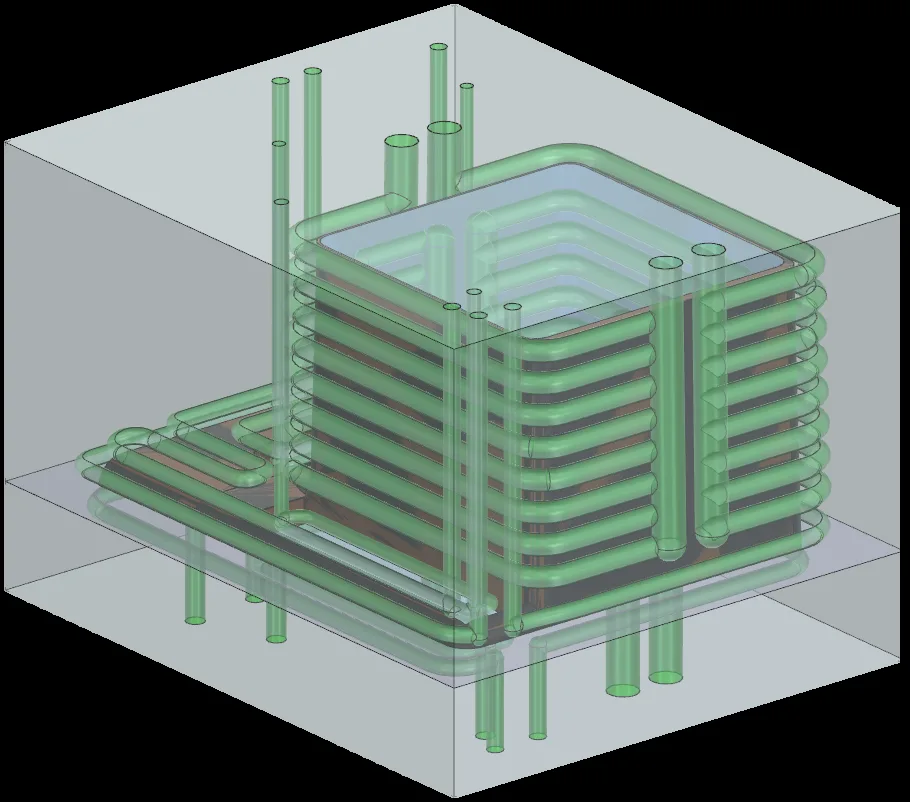
Conventional mould cooling uses straight drilled lines. Printed inserts can carry channels that follow the shape of the cavity, so the part cools evenly. The NX design automation for this, offset bodies, a library of channel cross sections and associative modelling, means the channels update when the cavity changes.
A polymer parts producer used it to cut cycle time by more than 20 percent, with shorter cooling and less warpage from the even channel layout.
3. A quick strength check without leaving CAD
Not every part deserves a full analysis, and the CAE team cannot look at everything. NX Performance Predictor lets the designer set up a basic finite element study on the model, run it and read the result within the design session. Weak areas show up early, before the part is sent to the printer.
The outcome reported by users is fewer late surprises and shorter time to market, with the analysis staying in the hands of the designer.
4. Reverse engineering a worn part
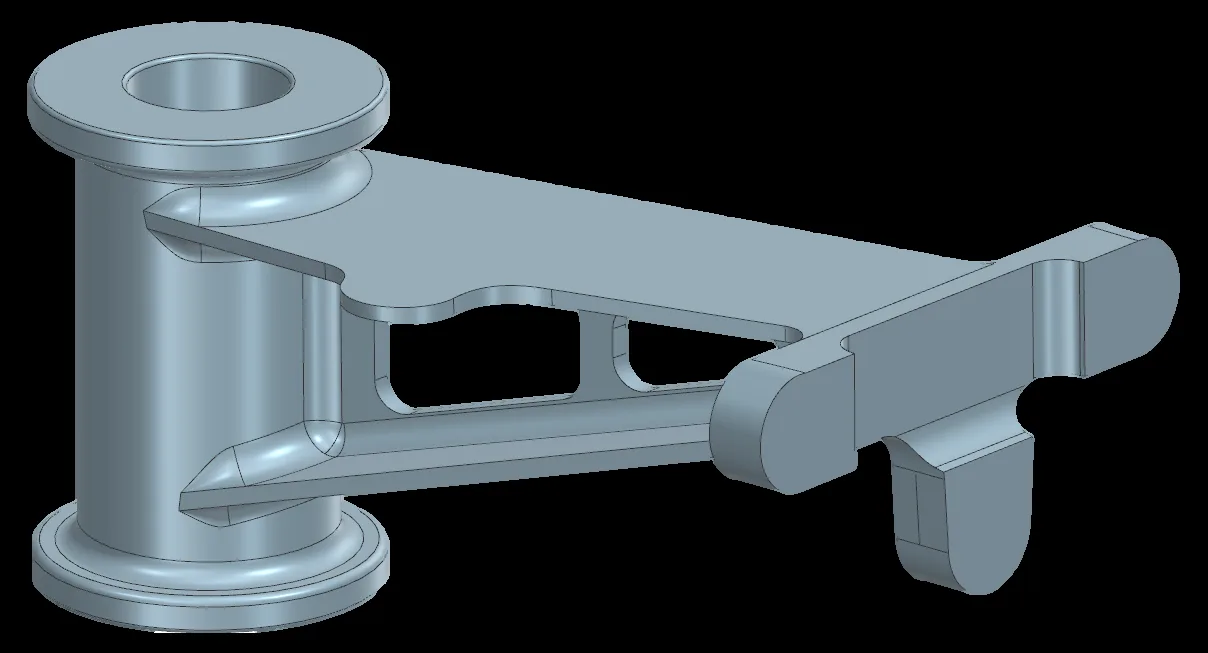
When a part has failed through wear and no drawing exists, the starting point is a 3D scan: a large mesh with no design intent. NX convergent modelling handles mesh and solid geometry together, so the scan can be cleaned, analysed face by face and rebuilt as proper solid geometry with constraints restored. From there the part can be improved and printed.
5. Heat exchangers that could not be machined
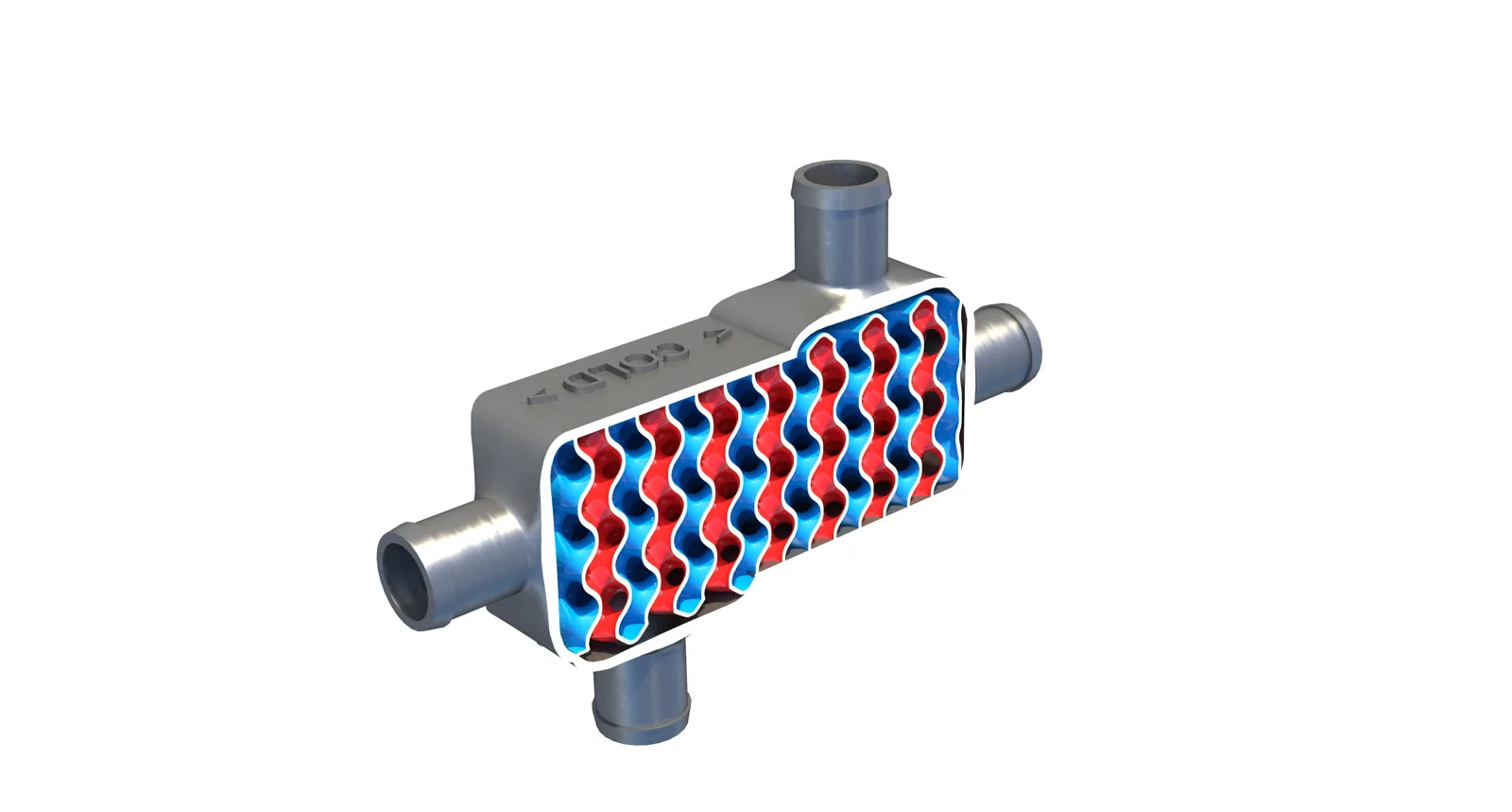
The most striking additive designs combine solid, voxel and facet modelling in one part, for example a heat exchanger whose core is a lattice that no cutter could reach. One team designed it in NX, checked the thermal behaviour with flow simulation, and prepared it for printing without leaving the Siemens tools.
They reported lead time reduced from months to days, better heat transfer, less weight and a simpler manufacturing route.
How to get these tools
Lattice Design, Topology Optimization, Implicit Modeling, Performance Predictor, Reverse Engineering and Conformal Cooling are add-on modules to NX. They are available through NX value-based licensing, a shared pool that lets a team open the module it needs for the task at hand, then release it for a colleague. One product code covers more than 120 add-ons, so the investment is protected as needs change.
NomuTech supplies, implements and trains on NX across the Middle East. If you have a part in mind, talk to us and we will show you the workflow on your own geometry.
Author