
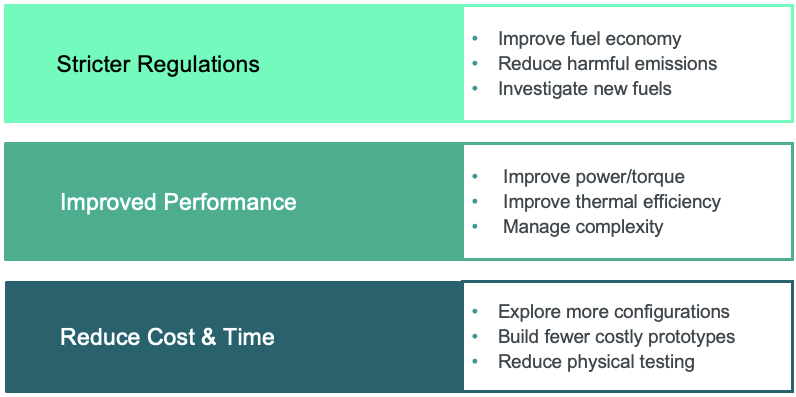
Why is In-Cylinder Simulation Necessary Today?
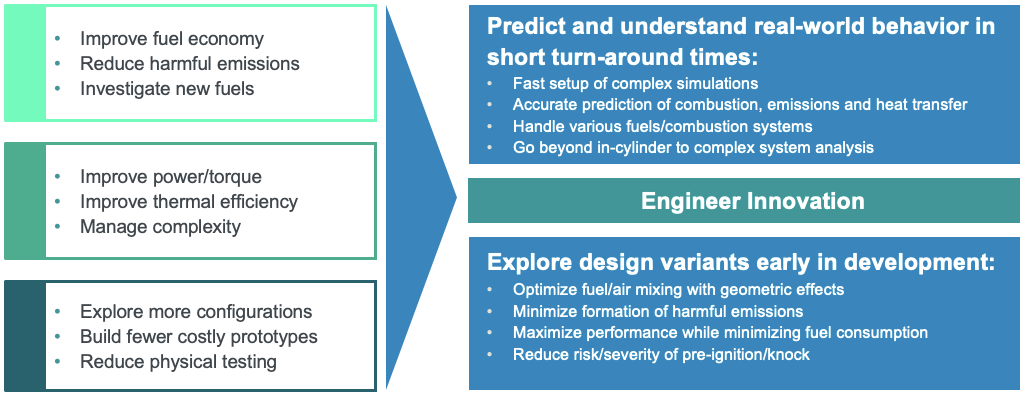
How can In-Cylinder Simulation Address the Challenges?
Key Requirements
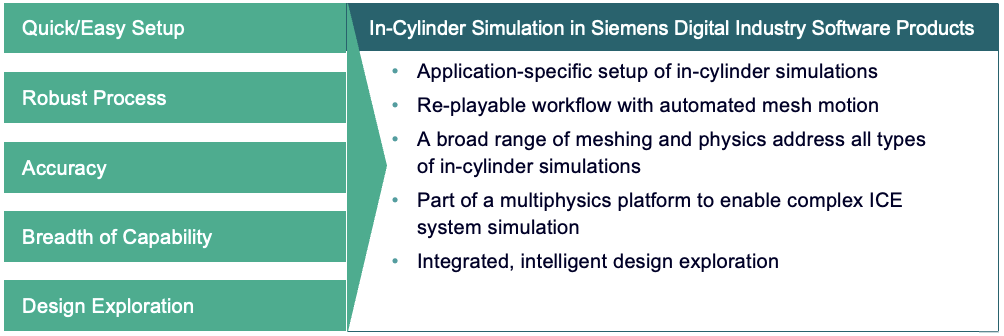
Quick/Easy Setup
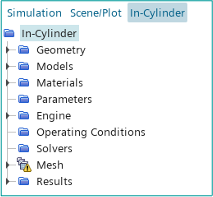
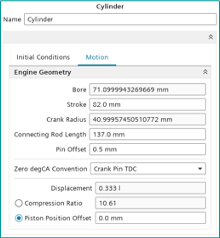
- Streamlined, application specific workflow requiring minimal input
- ICE engineer friendly terminology and inputs
- Automated post processing optimized for in cylinder applications
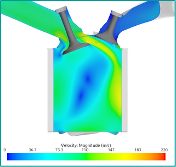
Robust Process
- Replayable, pipelined workflow for consistent, repeatable results
- Automated mesh motion that removes the need for manual troubleshooting
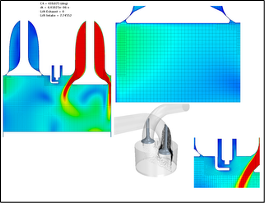
Accuracy
Accurate prediction of flow fields, turbulence (RANS/LES), and heat transfer is enabled through appropriate mesh structures and models.
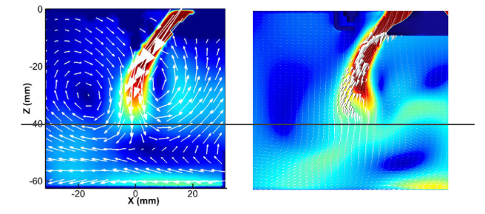
Breadth of Capability
A broad suite of physics and chemistry models supports multiple fuels, combustion modes, and chemistries across in cylinder and other ICE simulations.
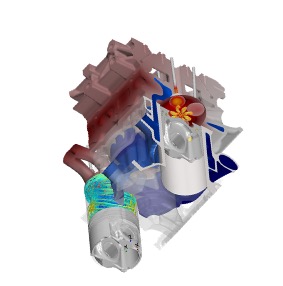
Design Exploration
Easily parameterized simulations enable simple design exploration and are accessible to all users without requiring expert knowledge.
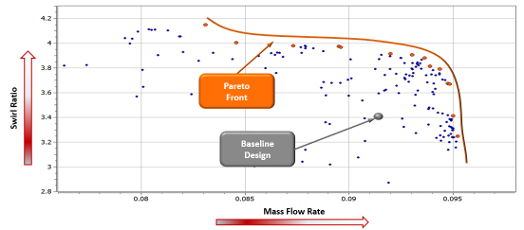
In-Cylinder Simulation in Simcenter STAR-CCM+
An application‑specific Simcenter STAR‑CCM+ In‑Cylinder workflow combines automated mesh motion, class‑leading models, multi‑physics simulation beyond the cylinder, and innovation driven by Design Manager and HEEDS.
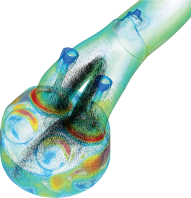
In-Cylinder Simulation
Application-specific workflow with the Simcenter STAR-CCM+ In-Cylinder Solution
An application specific interface provides a familiar STAR CCM+ experience with minimal ICE focused inputs, automated geometry, meshing and post processing, repeatable In Cylinder workflows, and optional full access for expert customization.
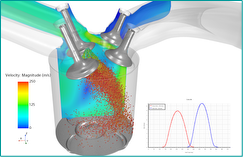
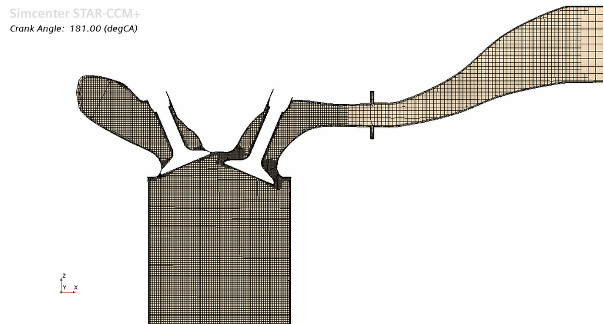
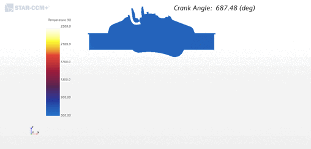
Workflow automation with automatic Morph-Map mesh motion
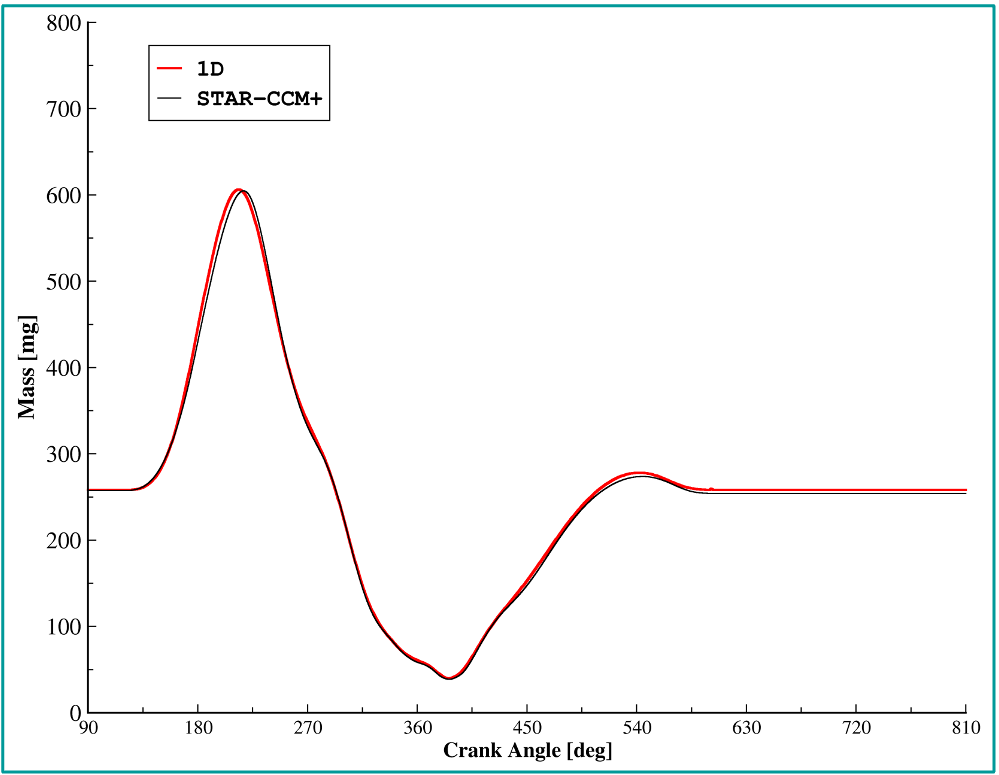
A robust, industry proven automated mesh motion delivers accurate flow and turbulence prediction, manages remapping and quality checks without user input, reuses grids across cycles, supports static–dynamic coupling, and allows optional temporal refinement.
Real-world simulations with class-leading models
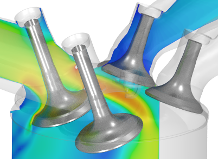
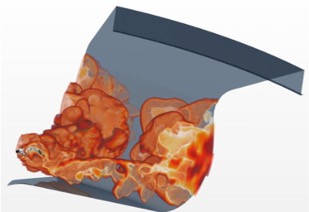
Comprehensive spray, combustion, and LES modeling is supported through advanced breakup, atomization, evaporation, liquid film, real gas, fuel customization, and turbulence models.
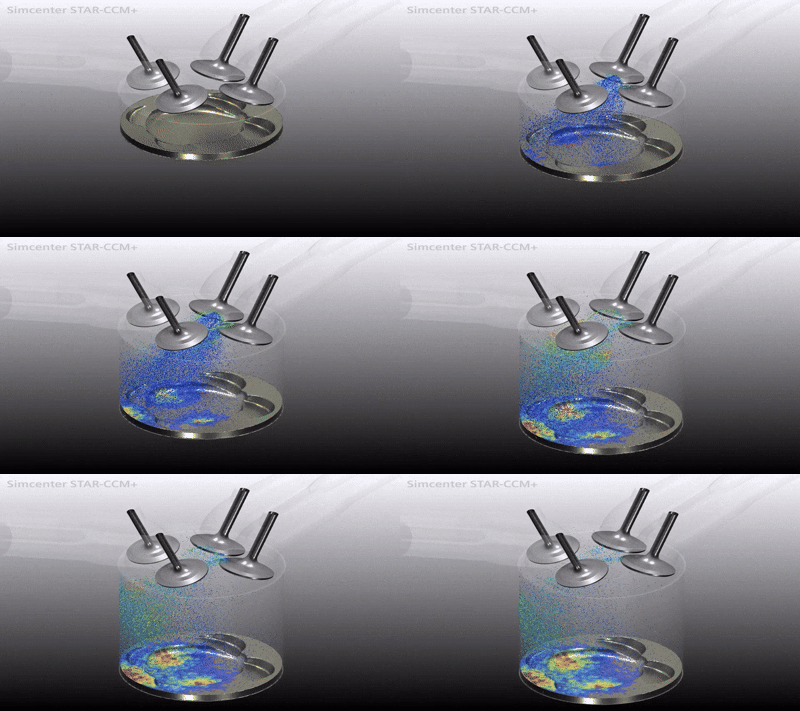
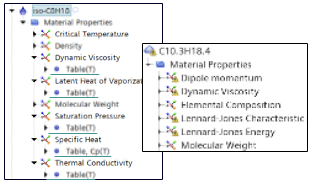
Real-world simulations with class-leading models
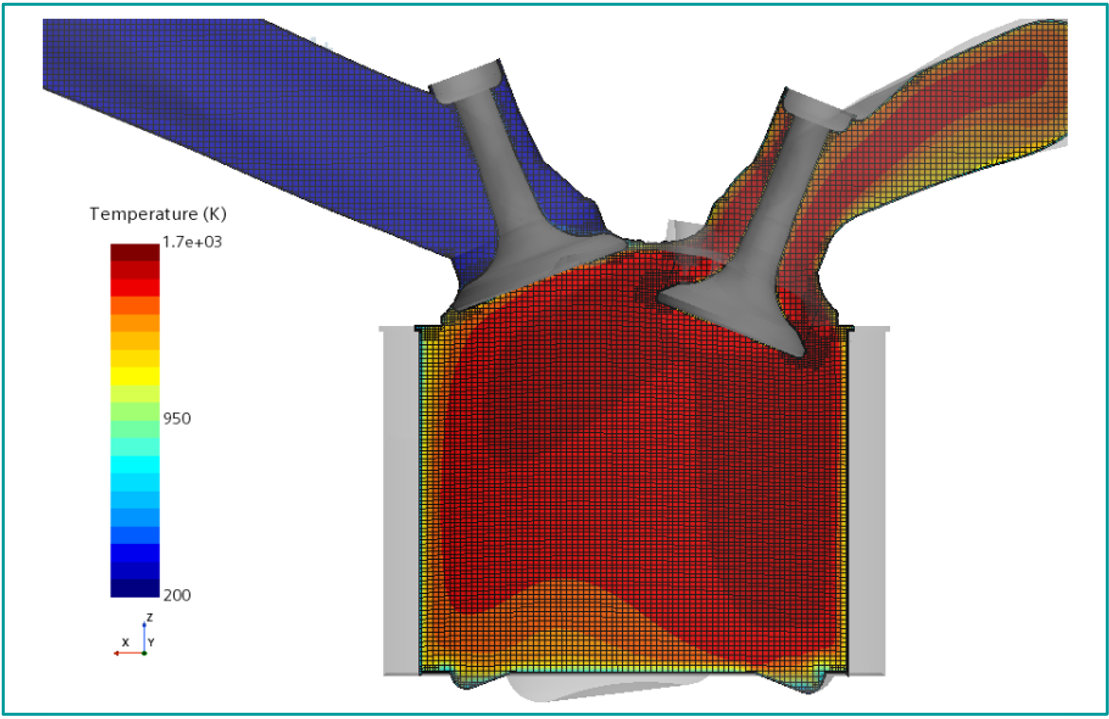
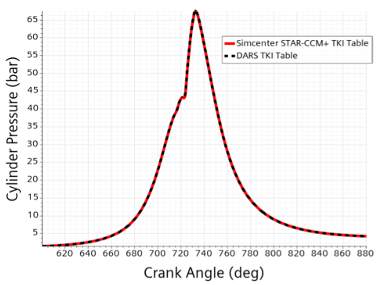
Advanced in cylinder capabilities include heat transfer and spark ignition modeling, knock and emissions prediction, fuel specific combustion tables, detailed post processing, and cycle averaged or CHT analysis.
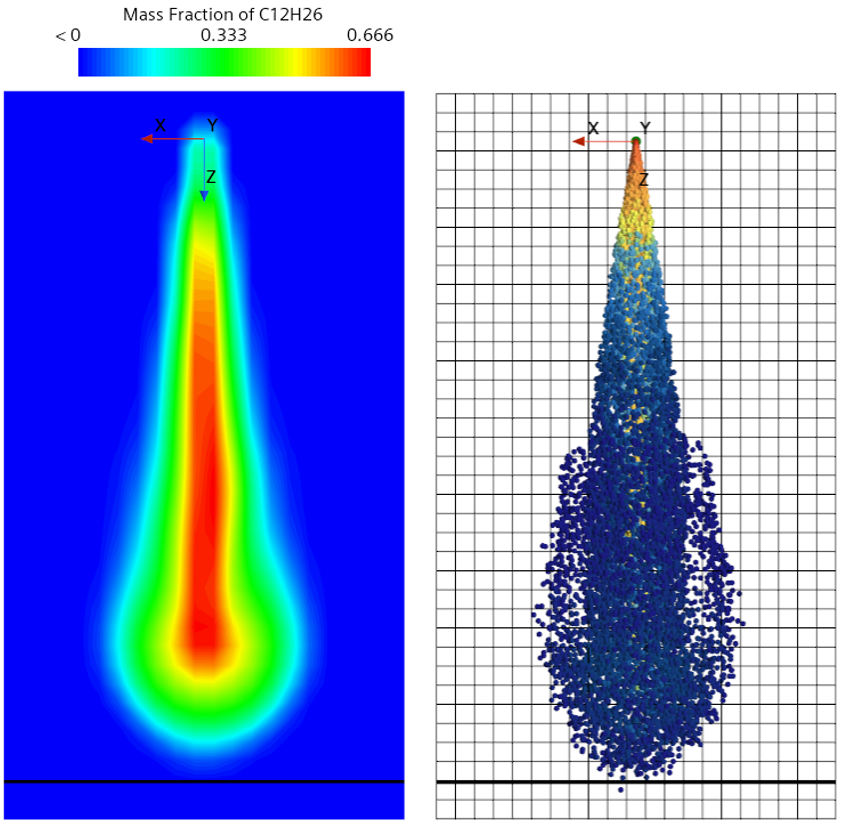
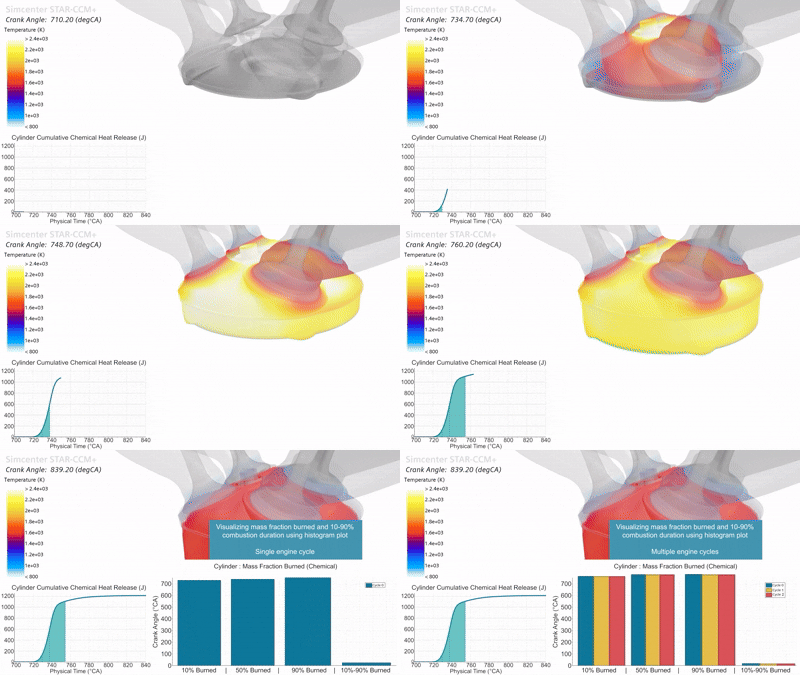
Sector modelling
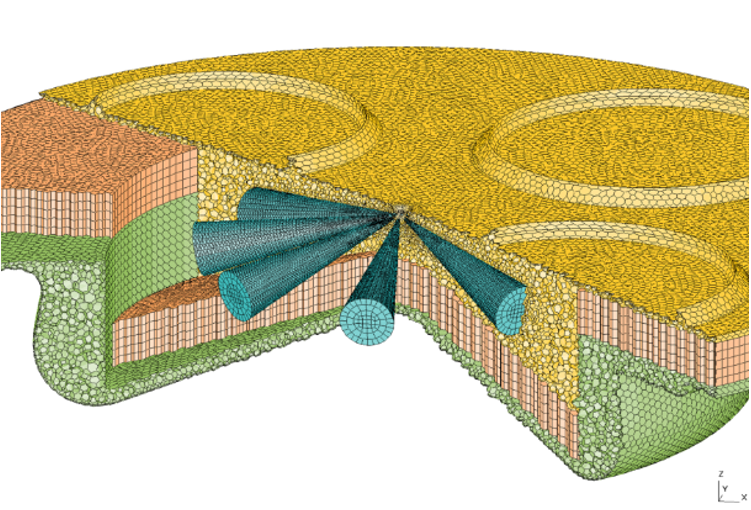
The Simcenter STAR CCM+ In Cylinder Solution enables rapid, automated setup of axisymmetric sector models from 2D splines, with fast meshing and design optimization via Design Manager.
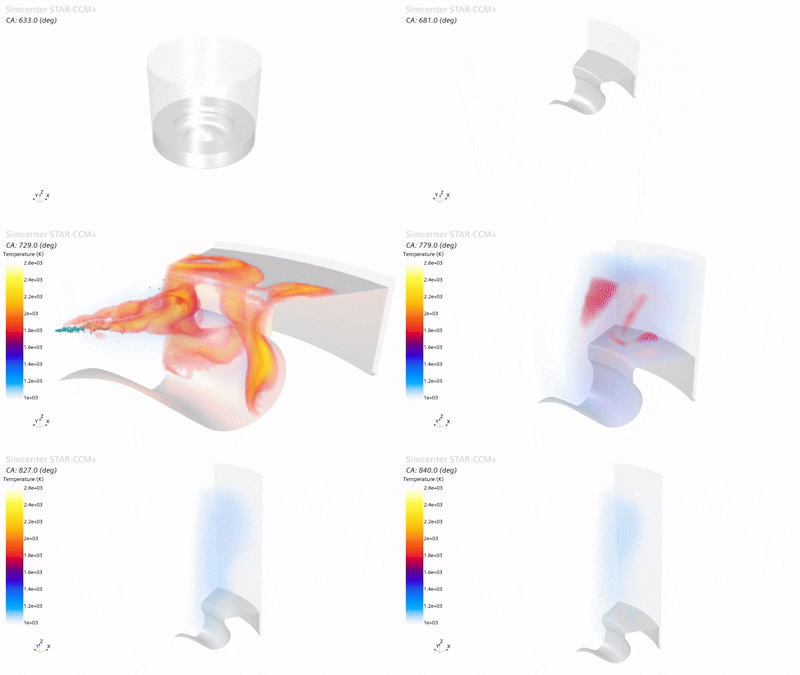
2-stroke modelling
The Simcenter STAR CCM+ In Cylinder Solution provides an automated workflow for 2 stroke engine simulations, supporting multiple CAD defined plenums.
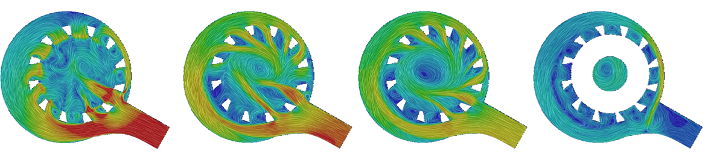
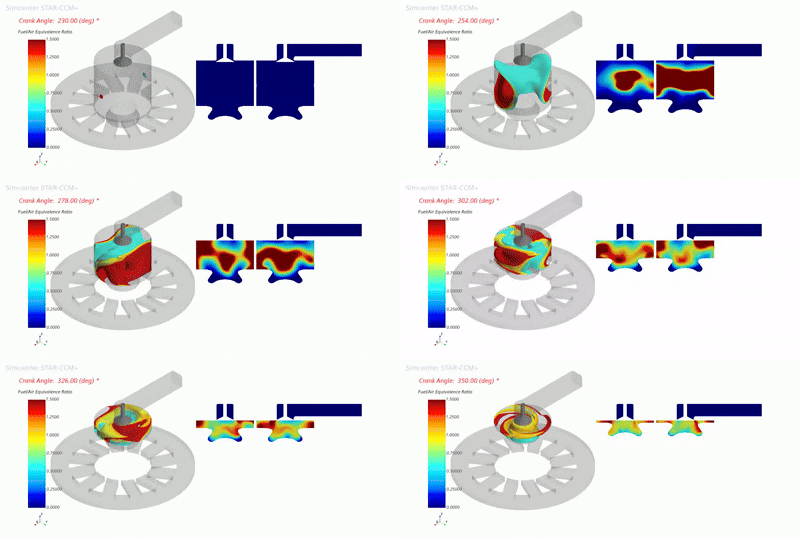
Novel & alternative fuels
The ECFM and CC TFC models support a wide range of fuels, including any CxHyOzNw fuel as well as direct use of hydrogen and ammonia.
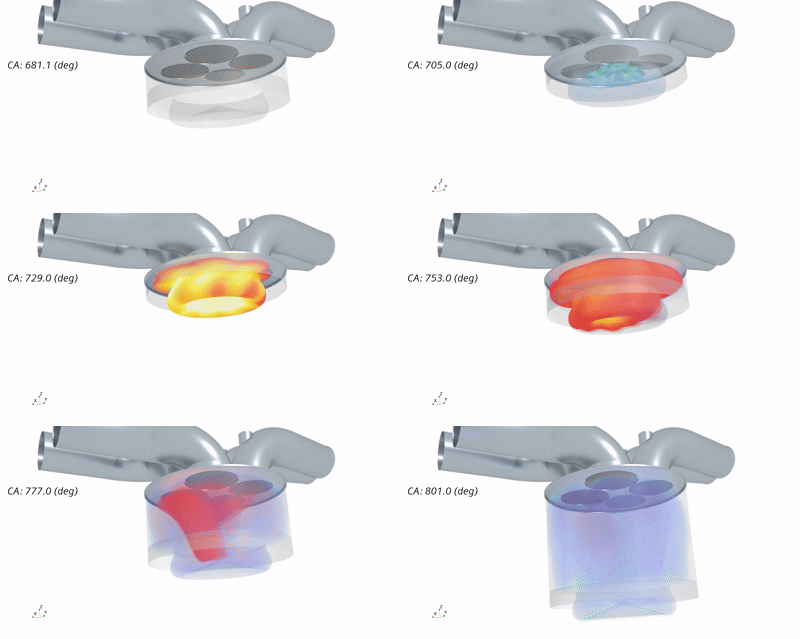
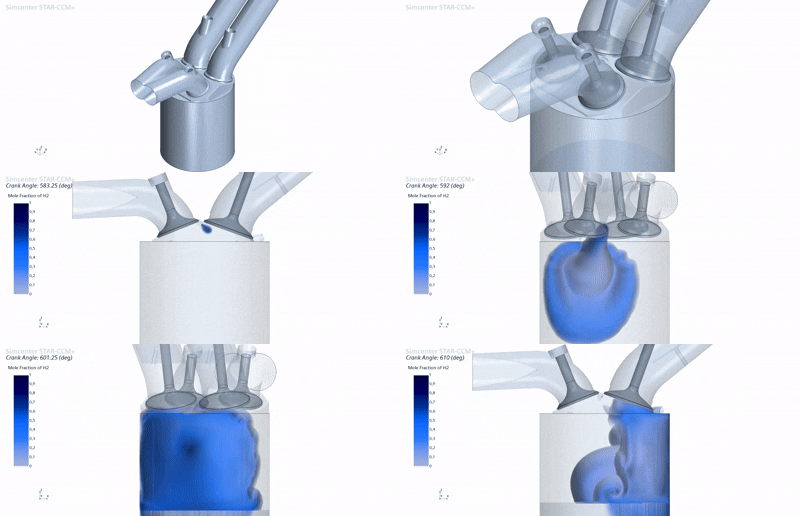
Real-world simulations with class-leading models
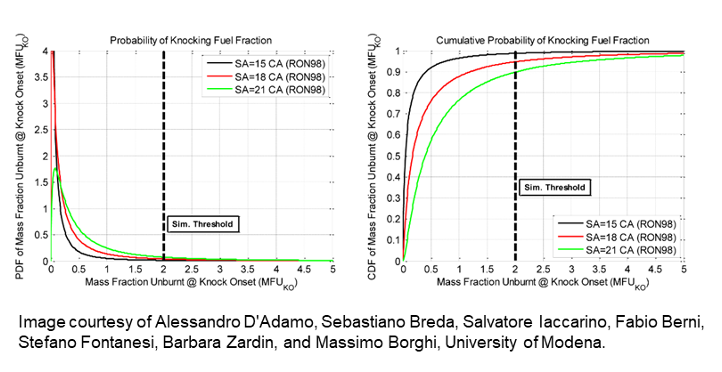
STAR CD, es ice, and DARS offer comprehensive RANS and LES physics and chemistry models for combustion and emissions, including a RANS based GruMo UniMORE statistical knock prediction model.
Simulating the world around the cylinder with a multi-physics platform
The Simcenter STAR CCM+ In Cylinder Solution enables seamless integration into complex multi physics simulations to study system interactions across different powertrain configurations, controls, and technologies.
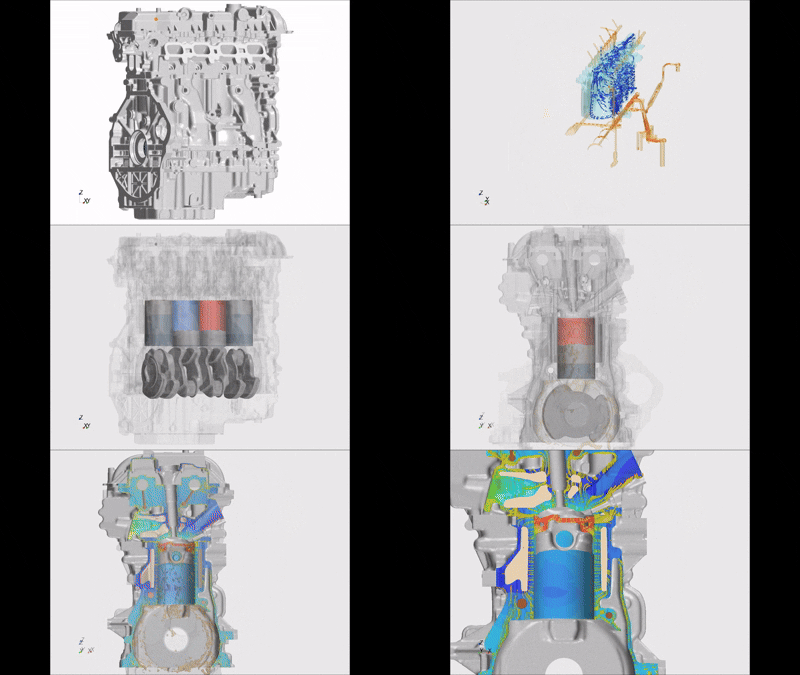
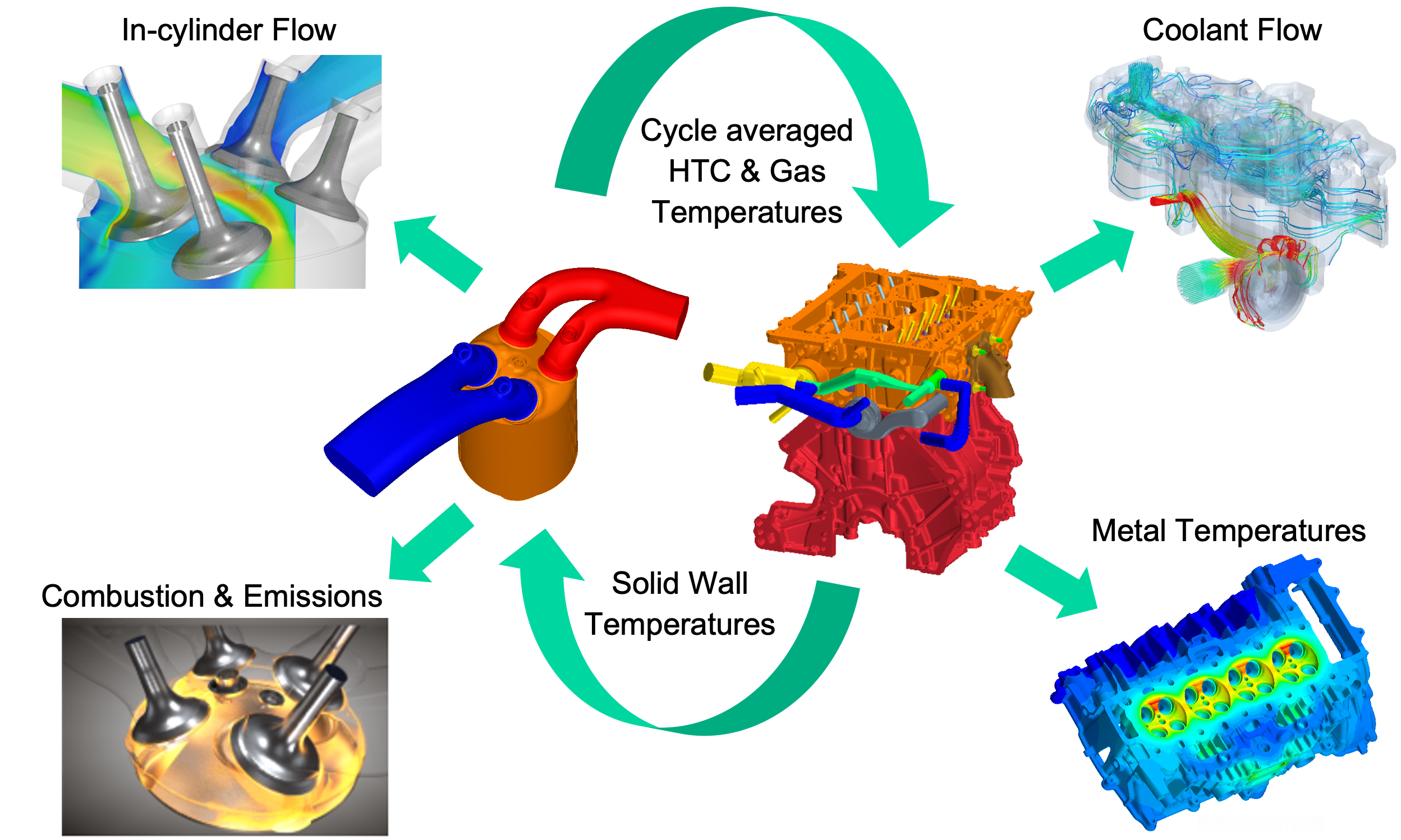
Coupling the in-cylinder and engine CHT models
The Simcenter STAR CCM+ In Cylinder Solution unifies in cylinder and engine CHT simulation in one environment, simplifying heat transfer coupling and enabling automated workflows.
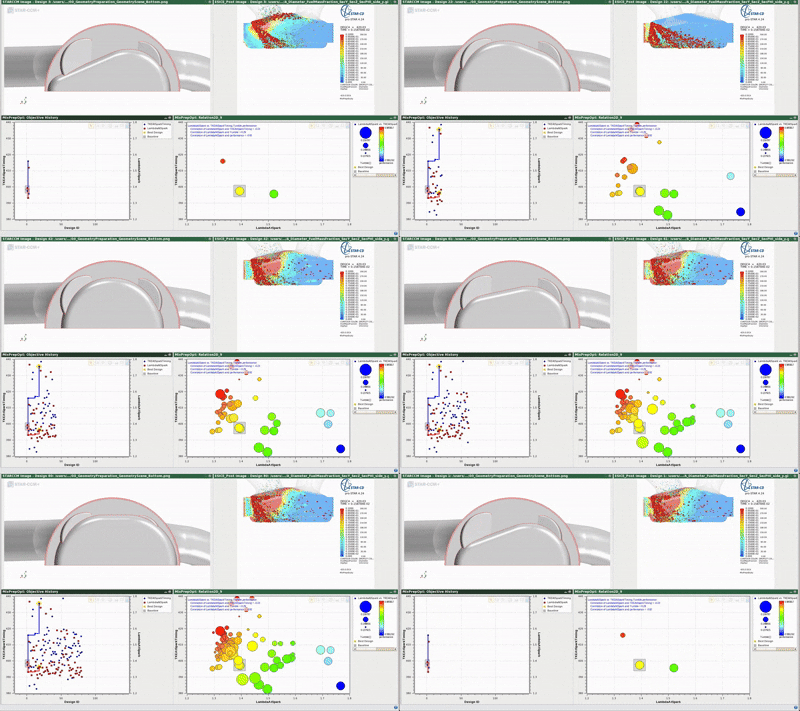
Driving innovation with Design Manager and HEEDS
Integrated design exploration in Simcenter STAR CCM+ uses automated parameterized models, Design Manager, and HEEDS to optimize fuel mixing, emissions, performance, and knock across complex multi tool workflows.
Validation of a GDI Production Engine
- Ford 1.0L Eco-boost Engine
- Gasoline Direct Injection
- Pentroof head
- Bore x Stroke: 72 x 82 mm
- CR: 10.6
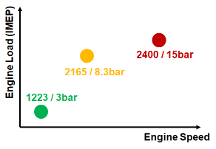
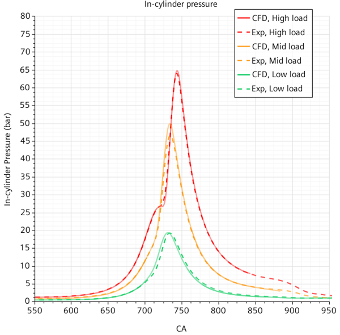
Simcenter STAR-CCM+ In-Cylinder Solution of a complete engine cycle for low, mid and full load operating conditions
- ECFM-3Z combustion model
- FI spark model
Summary
Quickly tackle challenging in cylinder analyses and use design exploration to identify better designs earlier in development.
Author